Understanding Tom Buchanan: The Archetype of Wealth and Privilege in Literature

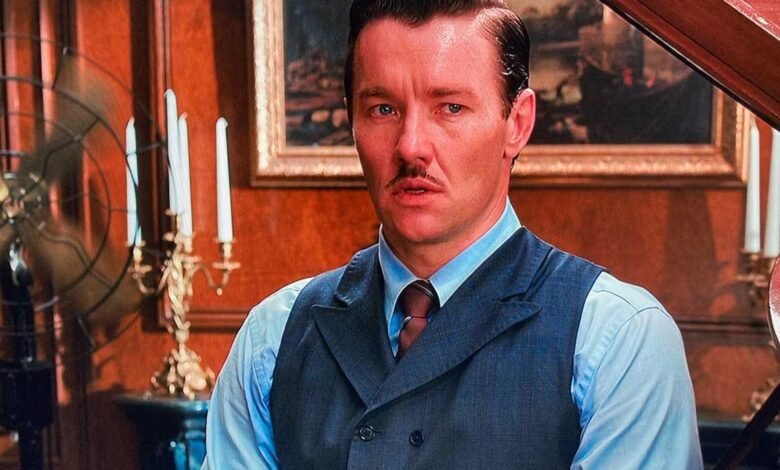
Introduction to Tom Buchanan
Tom Buchanan, a central character in F. Scott Fitzgerald’s classic novel The Great Gatsby, is one of literature’s most vivid portrayals of wealth, arrogance, and the complexities of human morality. His presence in the novel is not just a plot device but a reflection of the social and moral landscape of 1920s America. In this article, we explore who Tom Buchanan is, his personality traits, relationships, and the symbolic weight he carries in Fitzgerald’s story.
Who is Tom Buchanan?
Tom Buchanan is a wealthy, older man who embodies the elite American class of the 1920s. He is married to Daisy Buchanan, whose charm and grace mask her own moral ambiguities. Tom’s character is defined by his wealth, physical presence, and a domineering personality. He comes from old money, which in Fitzgerald’s era carried not just financial security but a deep sense of social entitlement and superiority.
Tom’s persona is the perfect blend of charm and menace. On the surface, he appears confident, athletic, and sophisticated, yet beneath that lies a streak of arrogance and recklessness. He represents the established elite, those who believe their social status shields them from the consequences of their actions.
Physically, Tom is imposing. Fitzgerald describes him as having a “hard mouth” and a “supercilious manner,” which immediately sets the tone for his interactions with others. His physicality and dominant presence reinforce his authority, not just over his household but over the social spaces he inhabits.
Tom is not just a character but a symbol. He personifies the moral decay hidden behind wealth and privilege. His behavior, attitudes, and decisions drive much of the conflict in The Great Gatsby, making him both a pivotal and controversial figure in literary analysis.
Personality Traits and Characteristics
Tom Buchanan is best described as arrogant, aggressive, and self-centered. He thrives on power and social dominance, often showing little regard for others’ feelings or moral boundaries.
One of Tom’s most defining traits is his entitlement. He believes that money and social class exempt him from accountability. Whether in his marriage, business dealings, or social interactions, Tom operates with the mindset that he is untouchable. This arrogance manifests in his controlling nature toward Daisy and others around him.
In addition to entitlement, Tom exhibits blatant hypocrisy. He criticizes moral failings in others while engaging in unethical behavior himself. For instance, he condemns Gatsby’s rise from a modest background, yet he openly engages in an extramarital affair with Myrtle Wilson, showing little concern for the impact on those around him.
Tom’s aggressive personality is complemented by his physical strength and competitive nature. He is described as an athlete, and this competitiveness seeps into his personal life. He often asserts dominance through intimidation, whether in conversation or through more subtle displays of power.
Despite these flaws, Tom’s character is not one-dimensional. He occasionally shows a sense of vulnerability, particularly in moments where his control over Daisy or social reputation is threatened. These glimpses add depth, reminding readers that even the most domineering figures possess insecurities.
Tom Buchanan and His Relationships
Tom’s interactions with others reveal the complexity and contradictions of his character. His marriage to Daisy is central to understanding him. While they share a life of luxury, their relationship is fraught with tension, manipulation, and emotional distance. Tom’s dominance over Daisy reflects the gender norms and societal expectations of the 1920s, highlighting the limitations placed on women in elite social circles.
Tom’s affair with Myrtle Wilson demonstrates his moral hypocrisy and pursuit of desire without consequence. He treats Myrtle as a means to satisfy personal cravings, ignoring the emotional and social fallout. This relationship contrasts sharply with his public persona as a respectable, upper-class husband, emphasizing the duality of his character.
His interactions with Jay Gatsby are also revealing. Tom despises Gatsby’s new money and questions the legitimacy of his wealth. This disdain highlights the rigid social hierarchy of the era and Tom’s belief in inherited status over earned success. Tom’s confrontations with Gatsby expose his insecurities and fear of losing control, particularly over Daisy, whom he views as a possession rather than a partner.
Tom’s relationships extend beyond romantic entanglements. His social circle and friendships are largely superficial, based on shared status rather than genuine connection. He thrives in environments where his wealth and influence can dominate, reinforcing his need for superiority and control.
Tom Buchanan as a Symbol
Beyond being a character, Tom represents broader themes in The Great Gatsby. He is a symbol of old money, privilege, and the moral decay that often accompanies wealth. Through Tom, Fitzgerald critiques a society obsessed with status, power, and material success at the expense of ethics and human empathy.
Tom embodies the corruption of the American Dream. While Gatsby strives for success through hard work and ambition, Tom benefits from inherited wealth, demonstrating the unequal starting points that define the lives of the 1920s elite. He is proof that financial privilege can shield individuals from consequences and moral accountability.
Additionally, Tom symbolizes the resistance to social change. His disdain for Gatsby’s new money reflects the rigidity of class divisions and the cultural barriers that maintain societal hierarchies. Through Tom, Fitzgerald explores the tension between tradition and progress, highlighting the enduring power of entrenched privilege.
Tom also represents masculinity in its most toxic form. His aggressiveness, entitlement, and control over women showcase a patriarchal worldview. By portraying these traits in Tom Buchanan, Fitzgerald critiques societal norms that valorize dominance and materialism while ignoring empathy and moral responsibility.
Conclusion:
Tom Buchanan remains one of literature’s most memorable and controversial figures. He is a lens through which readers can examine themes of wealth, privilege, morality, and social hierarchy. His personality, relationships, and symbolic role create a complex portrait of a man who is both compelling and deeply flawed.
Understanding Tom is essential to understanding The Great Gatsby. He is not merely an antagonist or a foil to Gatsby; he is a representation of the societal forces that shape behavior, reinforce inequality, and challenge morality. Through Tom Buchanan, Fitzgerald offers a timeless critique of human nature and the pursuit of success, making him as relevant today as he was nearly a century ago.
In short, Tom Buchanan is more than a character; he is a cultural symbol. His arrogance, entitlement, and moral failings illuminate the darker side of privilege, reminding readers that wealth alone does not guarantee happiness, morality, or respect. His legacy in literature is one of caution, complexity, and unforgettable impact.