Time Blocking Template: The Practical Guide to Taking Control of Your Day Like a Pro

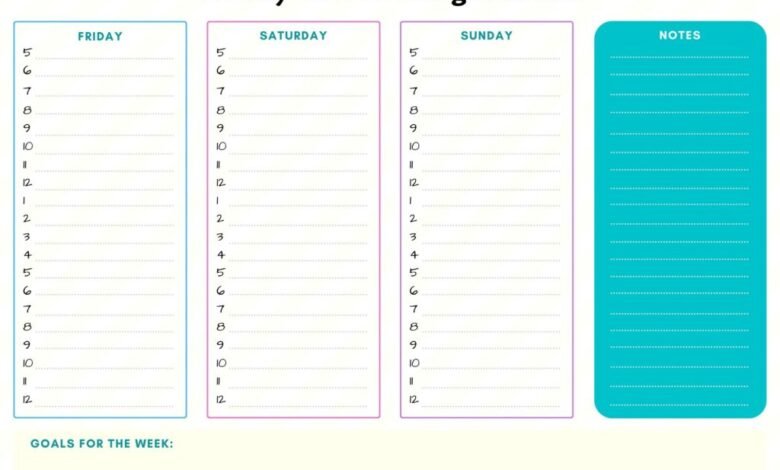
Time Blocking Template Managing time sounds simple in theory, but in real life, it often feels chaotic. Between emails, meetings, social media, and unexpected interruptions, the day can disappear before meaningful work even begins. This is exactly why so many high performers swear by a time blocking template. It’s not just a productivity trick—it’s a structured way to design your day with intention.
A time blocking template helps you plan your day by assigning specific blocks of time to specific tasks or categories of work. Instead of reacting to whatever pops up, you proactively decide what deserves your attention and when. This small shift in planning can completely change how productive, focused, and less stressed you feel.
What makes time blocking so effective is that it works with your brain, not against it. Our minds crave clarity and boundaries. When you know exactly what you’re supposed to be working on during a given time block, decision fatigue disappears, and deep focus becomes much easier to achieve.
In this article, we’ll break down everything you need to know about using a time blocking template the right way. From understanding how it works to customizing it for your lifestyle, this guide is designed to help you move from overwhelmed to organized—without sounding robotic or unrealistic.
What Is a Time Blocking Template and Why It Works
At its core, a time blocking template is a structured layout of your day, usually broken into chunks of time. Each block is assigned a specific task, project, or type of activity. Instead of working from a to-do list, you work from a schedule that tells you when each task will happen.
This method works because it removes ambiguity. When tasks live only on a to-do list, they compete for attention all day long. A time blocking template forces you to make decisions in advance, which reduces mental clutter and helps you focus on one thing at a time.
Another reason time blocking is so effective is that it creates realistic expectations. When you assign tasks to time blocks, you naturally start estimating how long things actually take. Over time, this makes your planning more accurate and prevents the common mistake of overloading your day.
Most importantly, time blocking respects your energy levels. Not all hours of the day are equal. A well-designed time blocking template allows you to schedule demanding work when your energy is high and lighter tasks when your focus naturally dips. This alignment between time and energy is where the real magic happens.
The Core Elements of an Effective Time Blocking Template
A good time blocking template isn’t just a grid of hours—it’s a thoughtful framework. The first essential element is clearly defined time blocks. These blocks can range from 30 minutes to several hours, depending on your work style and the nature of your tasks.
The second key element is categorization. Instead of assigning every single task individually, many experts recommend grouping similar tasks together. For example, you might have a “deep work” block, an “admin” block, or a “communication” block. This reduces context switching and keeps your brain in a focused mode.
Another important component is buffer time. Real life is unpredictable, and a rigid schedule can backfire if there’s no room for flexibility. A strong time blocking template includes short buffer blocks to handle overruns, quick breaks, or unexpected issues without derailing the entire day.
Lastly, an effective template always includes personal time. This might sound obvious, but many people forget to block time for meals, rest, exercise, or even thinking. When personal needs are built into the template, the schedule becomes sustainable instead of exhausting.
How to Create a Time Blocking Template From Scratch
Creating your own time blocking template starts with understanding your non-negotiables. These include fixed commitments like work hours, meetings, family responsibilities, and sleep. Once these are mapped out, you can see how much flexible time you actually have to work with.
The next step is identifying your priorities. What tasks truly move the needle for you? These should be given prime spots in your template, ideally during your most focused hours. A time blocking template is not about doing more—it’s about doing what matters most.
Once priorities are clear, you can start assigning time blocks. Be realistic here. If a task usually takes an hour, don’t give it 30 minutes just to make the schedule look neat. Honesty in planning is what makes the template useful instead of stressful.
After setting up your initial template, test it for a few days. Pay attention to what works and what doesn’t. A time blocking template is not static—it should evolve as you learn more about your workflow, energy levels, and personal preferences.
Daily vs Weekly Time Blocking Templates
One common question is whether to use a daily or weekly time blocking template. The answer depends on your lifestyle and the nature of your work. Daily templates are more detailed and allow for precise control over each hour of the day.
A daily time blocking template works well for people with highly variable schedules or those who enjoy planning each day fresh. It allows you to adapt quickly and respond to changes without feeling locked into a long-term plan.
On the other hand, a weekly time blocking template focuses more on patterns than specifics. Instead of assigning individual tasks, you assign types of work to recurring time blocks. For example, Monday mornings might always be for planning, while Friday afternoons are for reviews.
Weekly templates are especially helpful for professionals, freelancers, and students who want consistency. By repeating the same structure each week, you reduce planning time and create habits that support long-term productivity.
Customizing a Time Blocking Template for Your Work Style
No two people work the same way, which is why customization is essential. If you’re someone who thrives on structure, your time blocking template might be very detailed, with clearly defined tasks for each block.
If you’re more creative or flexible, you might prefer broader blocks with general themes. For example, instead of scheduling “write report,” you might block “creative work” and decide the exact task in the moment. This keeps structure without feeling restrictive.
Remote workers and freelancers often benefit from blending professional and personal blocks. A customized time blocking template might include time for errands, workouts, or learning, creating a more balanced and realistic schedule.
The key is to design a template that supports you instead of fighting your natural tendencies. When your time blocking template matches how you actually work, consistency becomes effortless.
Common Mistakes to Avoid When Using a Time Blocking Template
One of the biggest mistakes people make is overloading their schedule. Filling every minute of the day with tasks leaves no room to breathe. A time blocking template should feel supportive, not suffocating.
Another common error is underestimating task duration. When tasks consistently spill over their assigned blocks, frustration builds. This is often a sign that the template needs more realistic time estimates or additional buffer blocks.
Ignoring breaks is another trap. Productivity is not about nonstop work. Without scheduled breaks, focus and energy drop quickly. A smart time blocking template includes intentional pauses to recharge.
Finally, many people give up too soon. Time blocking takes practice. The first few attempts might feel awkward, but refinement is part of the process. Sticking with it long enough to adjust the template is what leads to lasting results.
Using a Time Blocking Template to Beat Procrastination
Procrastination often comes from feeling overwhelmed or unsure where to start. A time blocking template eliminates both problems by telling you exactly what to work on and when.
When a task has a dedicated time block, it stops floating in your mind all day. You no longer need to decide if you’ll do it—only how you’ll do it once the block begins.
Time blocking also lowers the emotional barrier to starting. Instead of committing to finishing a big task, you’re only committing to working on it for a set period. This makes starting feel less intimidating.
Over time, this structure trains your brain to associate certain times with certain behaviors. This habit-building effect is one of the most powerful long-term benefits of using a time blocking template.
How Experts Use Time Blocking Templates for Long-Term Success
High-performing professionals don’t just use time blocking templates for daily tasks—they use them to design their lives. Long-term goals are broken down into recurring blocks that ensure consistent progress.
For example, instead of vaguely planning to “learn a new skill,” experts block specific weekly learning sessions. This turns abstract goals into concrete actions that actually happen.
Many experts also review and adjust their templates regularly. Weekly reviews help identify what’s working, what’s not, and where time is being wasted. This continuous improvement mindset keeps the system effective.
What sets experts apart is not perfection but intention. Their time blocking templates are tools, not rules. They use structure to support freedom, not to eliminate it.
Conclusion:
A time blocking template is more than a scheduling tool—it’s a mindset shift. It encourages you to take ownership of your time instead of letting the day control you. With the right structure, productivity becomes calmer and more sustainable.
The beauty of time blocking is its flexibility. Whether you’re a student, professional, entrepreneur, or creative, the method adapts to your needs. The template you start with doesn’t have to be the one you stick with forever.
Consistency matters more than complexity. A simple time blocking template used daily will outperform an overly detailed one that’s abandoned after a week. Start small, refine often, and stay honest with yourself.
When used thoughtfully, a time blocking template becomes a powerful ally. It helps you focus on what truly matters, make steady progress toward your goals, and finally feel in control of your time—without burning out.