Introduction to NCAA Wrestling
NCAA wrestling is one of the most competitive and respected forms of amateur wrestling in the world. Organized by the National Collegiate Athletic Association, NCAA wrestling represents the highest level of collegiate wrestling competition in the United States. Every year, hundreds of universities compete in various divisions, showcasing the strength, discipline, and skill of student-athletes who dedicate years to mastering the sport.
College wrestling has a long and rich history in American athletics. Many athletes begin wrestling in high school and work tirelessly to earn scholarships and compete at the collegiate level. NCAA wrestling provides these athletes with a platform to grow not only as competitors but also as students and future professionals. The balance between academics and athletics makes this sport unique compared to professional wrestling organizations.
The popularity of NCAA wrestling continues to grow due to its intense matches, passionate fan base, and strong traditions. Universities such as Penn State Nittany Lions wrestling and Iowa Hawkeyes wrestling have built legendary programs that consistently produce national champions and Olympic-level athletes.
For many wrestlers, NCAA competition represents the stepping stone to international success. Several Olympic and world champions first gained recognition through NCAA wrestling tournaments. The structure, discipline, and high-level coaching prepare athletes for elite competition on the global stage.
The History and Evolution of NCAA Wrestling
The origins of NCAA wrestling date back to the early 20th century when collegiate wrestling began gaining popularity in American universities. The first official NCAA wrestling championship tournament was held in 1928 under the supervision of the National Collegiate Athletic Association. This event marked the beginning of organized college wrestling competition in the United States.
In its early years, the tournament included only a small number of teams and weight classes. However, as wrestling programs expanded across universities, participation quickly increased. By the mid-20th century, NCAA wrestling had become one of the most respected amateur sports in the country.
Throughout the decades, the sport has undergone several changes. Weight classes have been adjusted, scoring systems have been refined, and safety regulations have improved. These updates have helped maintain fairness while making the sport more engaging for fans and athletes alike.
Another important aspect of NCAA wrestling history is its role in developing international wrestling stars. Many legendary wrestlers used NCAA competition as a foundation for global success. Olympic champions like Dan Gable became iconic figures after dominating both college and international wrestling competitions.
Structure and Divisions in NCAA Wrestling
NCAA wrestling operates under a structured system that includes three divisions: Division I, Division II, and Division III. Each division represents different levels of competition, scholarship opportunities, and university sizes.
Division I is the most competitive level of NCAA wrestling. Schools in this division typically have larger athletic budgets and highly developed wrestling programs. Universities such as Penn State Nittany Lions wrestling and Ohio State Buckeyes wrestling regularly dominate national rankings and produce elite athletes.
Division II also features strong competition, although the programs are generally smaller. Wrestlers in this division still compete at an extremely high level and often advance to professional or international competition after college.
Division III focuses heavily on academics while still maintaining competitive athletic programs. Unlike Division I and II, Division III schools do not offer athletic scholarships. Instead, student-athletes participate primarily for their love of the sport and personal development.
This divisional structure ensures that universities of different sizes and resources can compete fairly. It also allows more athletes across the country to participate in collegiate wrestling.
NCAA Wrestling Rules and Scoring System
Understanding the rules of NCAA wrestling helps fans appreciate the strategy and intensity of each match. While the sport shares similarities with freestyle and Greco-Roman wrestling, NCAA wrestling has its own unique scoring system.
A typical NCAA wrestling match consists of three periods. The first period lasts three minutes, while the second and third periods last two minutes each. Wrestlers compete to score points by executing takedowns, escapes, reversals, and near-fall holds.
A takedown is worth two points and occurs when a wrestler gains control of their opponent on the mat. Escapes, which happen when a wrestler breaks free from their opponent’s control, earn one point. Reversals, where the defensive wrestler gains control, also score two points.
Near-fall points are awarded when a wrestler holds their opponent’s shoulders close to the mat for several seconds. These points can range from two to four depending on the duration of control.
The ultimate goal, however, is to secure a pin. A pin occurs when both shoulders of the opponent are held on the mat, immediately ending the match. Pins are considered the most exciting and definitive victories in NCAA wrestling.
The NCAA Wrestling Championships
The highlight of the collegiate wrestling season is the NCAA Division I Wrestling Championships. This prestigious tournament determines the national champion in each weight class and crowns the top team in the country.
The championship tournament usually takes place every March and attracts thousands of fans from across the United States. Wrestlers must qualify through conference championships and regional competitions to earn a spot in the tournament.
The competition format includes a double-elimination bracket. This means that wrestlers who lose once still have an opportunity to compete in the consolation bracket and fight for a top placement. This format ensures that the best wrestlers have multiple chances to prove themselves.
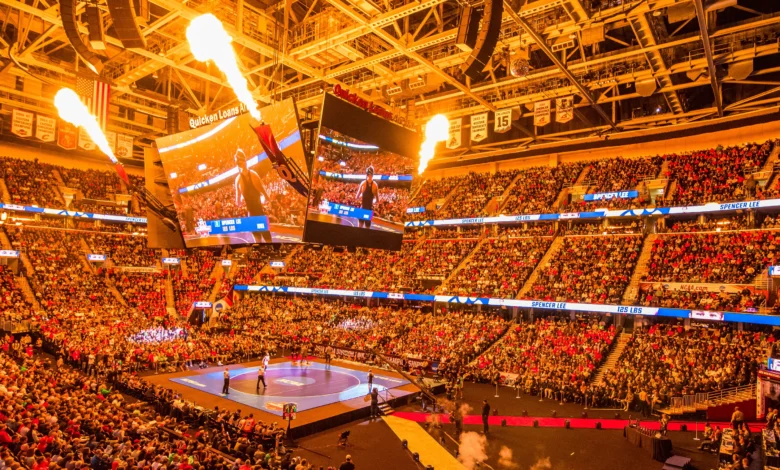
The atmosphere at the NCAA Wrestling Championships is electric. Fans pack the arena, cheering passionately for their teams and favorite wrestlers. The event often becomes one of the most attended college sporting championships in the United States.
Winning an NCAA title is considered one of the greatest achievements in amateur wrestling. Many champions go on to represent the United States in world championships and the Olympic Games.
Legendary NCAA Wrestling Programs
Several universities have built legendary reputations in NCAA wrestling through decades of success and championship titles. These programs have produced some of the greatest wrestlers in history.
One of the most dominant programs is the Iowa Hawkeyes wrestling. Known for their aggressive style and intense training culture, the Hawkeyes have won numerous NCAA team championships. Their success helped establish Iowa as a powerhouse in American wrestling.
Another modern powerhouse is the Penn State Nittany Lions wrestling program. Under the leadership of coach Cael Sanderson, Penn State has won multiple national championships and consistently produces elite athletes.
The Oklahoma State Cowboys wrestling program also holds an impressive record of national titles. Their long tradition of excellence has made them one of the most respected wrestling teams in NCAA history.
These programs attract top recruits from across the country. Their facilities, coaching staff, and competitive culture help athletes reach their full potential.
Famous NCAA Wrestlers Who Became Legends
Many famous wrestlers started their careers in NCAA competition before becoming international superstars. These athletes demonstrated exceptional skill, determination, and dedication throughout their careers.
One of the most legendary figures in wrestling history is Dan Gable. During his college career at the Iowa State Cyclones wrestling program, Gable compiled an incredible record with only one loss. He later became an Olympic gold medalist and one of the most successful wrestling coaches in history.
Another famous NCAA wrestler is Cael Sanderson. Sanderson achieved a remarkable undefeated college record of 159–0 while competing for Iowa State Cyclones wrestling. His dominance made him one of the greatest college wrestlers of all time.
Other notable NCAA wrestling alumni include Olympic champions, mixed martial artists, and professional coaches. Many former collegiate wrestlers transition into careers in coaching, sports management, or combat sports such as MMA.
Their success demonstrates the powerful training foundation that NCAA wrestling provides.
Training, Discipline, and the Life of a College Wrestler
Becoming an NCAA wrestler requires extraordinary dedication and discipline. College wrestlers follow intense training schedules that include strength conditioning, technical practice, and mental preparation.
Most wrestling programs conduct daily practices that involve drilling techniques, live wrestling sessions, and conditioning workouts. Athletes must maintain exceptional physical fitness while continuously improving their skills.
Weight management also plays a major role in the life of a college wrestler. Athletes compete in specific weight classes and must carefully monitor their diet and hydration to remain within their designated category.
In addition to athletic commitments, NCAA wrestlers must also maintain strong academic performance. Student-athletes balance demanding training schedules with coursework, exams, and university responsibilities.
This balance builds strong character and discipline, qualities that benefit wrestlers long after their college careers end.
The Future of NCAA Wrestling
The future of NCAA wrestling looks promising as the sport continues to grow in popularity. Increased media coverage, improved streaming platforms, and social media exposure have helped attract new fans to the sport.
Youth wrestling programs across the United States are also expanding, providing more opportunities for young athletes to develop their skills. These programs serve as the foundation for future NCAA competitors.
Additionally, many universities are investing more resources into their wrestling programs. New facilities, advanced training technology, and improved athlete support systems are helping elevate the level of competition.
Women’s wrestling is also rapidly growing within the collegiate system. Many universities are beginning to add women’s wrestling programs, which could eventually lead to official NCAA championships in the future.
As the sport evolves, NCAA wrestling will likely continue to produce elite athletes and thrilling competitions. Its combination of tradition, intensity, and athletic excellence ensures that it remains one of the most respected collegiate sports in the United States.
Conclusion
NCAA wrestling represents the pinnacle of collegiate wrestling competition in the United States. With its rich history, intense rivalries, and legendary athletes, the sport has become a cornerstone of college athletics.
From the early days of the NCAA championships to modern powerhouse programs like Penn State Nittany Lions wrestling and Iowa Hawkeyes wrestling, the sport continues to evolve while maintaining its traditions.
The discipline required to compete at this level shapes athletes into resilient individuals who succeed both on and off the mat. NCAA wrestling not only builds champions but also develops leaders, role models, and future professionals.
As interest in wrestling continues to grow worldwide, NCAA wrestling will remain a crucial pathway for athletes seeking greatness in the sport. Whether fans are watching the thrilling matches at the NCAA Division I Wrestling Championships or following their favorite teams throughout the season, the excitement and passion of NCAA wrestling are impossible to ignore.