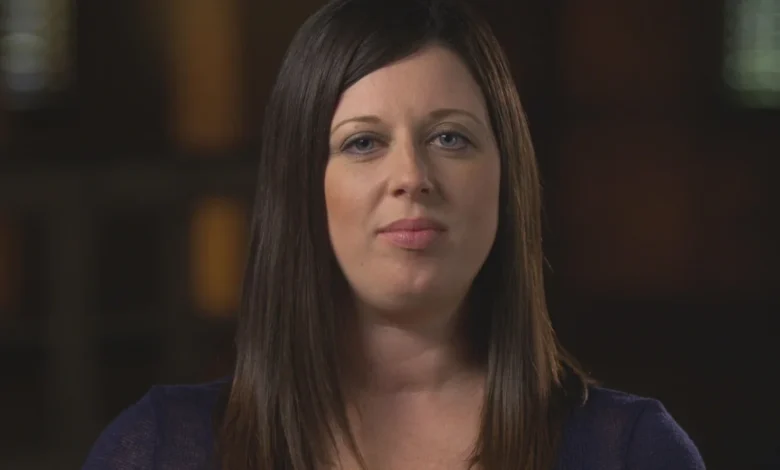
Introduction to Jennifer Schuett
When people search for Jennifer Schuett, they are usually looking for more than just facts. They are searching for a story — a story of survival against overwhelming odds, a fight for justice that spanned decades, and a woman who refused to let tragedy define her life.
Jennifer Schuett’s life is not simply a headline or a courtroom case. It is a powerful example of resilience. Her journey moves from unimaginable trauma to courageous advocacy. It shows how determination, science, and perseverance can work together to deliver justice — even after many years.
In this article, we will explore her early life, the tragic crime that changed everything, the decades-long investigation, the breakthrough through DNA technology, the trial that followed, and the remarkable way she rebuilt her life. This is a comprehensive and respectful look at a woman whose strength continues to inspire many.
Early Life and the Night That Changed Everything
Jennifer Schuett was just eight years old in 1990 when her life took a devastating turn. She lived in Dickinson, Texas, a quiet community where families believed their children were safe. Her childhood was ordinary and joyful, filled with the simple routines of school, friends, and family.
On one tragic night, an intruder entered her home. He abducted her, assaulted her, and left her for dead. The attack was brutal and shocking. The violence caused severe injuries, including permanent damage to her vocal cords. From that day forward, she could only speak in a whisper.
Despite the horrific assault, Jennifer survived. Doctors and emergency responders worked tirelessly to save her life. Her family stood beside her every step of the way. Survival itself was nothing short of a miracle.
The attacker, however, disappeared. Law enforcement investigated aggressively, but they could not identify the suspect at the time. The case went cold. For years, there were no answers, no closure, and no justice.
Living With Trauma and Finding Strength
Surviving such a crime is only the beginning of a long journey. For Jennifer, recovery required physical healing and emotional resilience. She endured surgeries, therapy, and years of adjustment to her altered voice.
Speaking only in a whisper became part of her identity. But instead of letting it silence her, she used it as a symbol of survival. Her whisper carried strength, not weakness. It reminded everyone who heard her that she had endured the unimaginable and continued forward.
Trauma does not simply disappear with time. Jennifer had to learn how to process fear, anger, and grief. Yet she did not allow bitterness to define her future. She focused on education, family, and building a life filled with purpose.
Many survivors struggle in isolation, but Jennifer leaned on support systems. Her family remained her foundation. Their unwavering love and belief in her helped transform pain into resilience.
A Cold Case That Refused to Stay Cold
For over two decades, Jennifer’s case remained unsolved. Law enforcement preserved evidence from the crime scene, hoping that future advancements in forensic science might one day provide answers.
During the 1990s and early 2000s, DNA technology advanced significantly. Techniques that were once impossible became standard tools in criminal investigations. Cold cases across the United States began to reopen thanks to improved testing methods.
Investigators eventually re-examined the preserved evidence from Jennifer’s assault. The DNA profile extracted from the scene was entered into national databases. This step marked a turning point.
In 2008, authorities identified a suspect: a man named David Nesmith. He had died in 1998, but his DNA was on file due to prior legal matters. The match connected him directly to the crime.
The Breakthrough: Science Delivers Answers
The DNA match provided what investigators had lacked for nearly two decades — undeniable evidence. Science accomplished what traditional investigation methods could not.
Although the suspect was deceased, the legal process still moved forward. Authorities exhumed his body to confirm the DNA match. The testing verified the connection conclusively.
This moment represented more than a technical success. It demonstrated the power of perseverance in law enforcement and the importance of preserving evidence. Without careful handling of forensic materials, the truth might never have emerged.
For Jennifer, the identification of her attacker brought long-awaited answers. Even though the perpetrator could not stand trial, the confirmation provided a sense of closure. The mystery that haunted her childhood finally had a name.
Seeking Justice Through the Courts
Despite the suspect’s death, Jennifer pursued civil action. In 2009, she filed a wrongful death lawsuit against the estate of David Nesmith. This legal step allowed her to formally present evidence and secure official recognition of what happened.
The civil trial became a defining moment. Jennifer testified, recounting the events of that horrific night. Her whisper filled the courtroom with power. Every word carried weight.
The jury found in her favor. They awarded her a judgment of $9 million. While no financial compensation can erase trauma, the verdict served as public acknowledgment of the crime and her suffering.
Justice, in this case, did not come in a traditional criminal conviction. Instead, it came through civil law and scientific certainty. Jennifer achieved something remarkable — she ensured her attacker was legally identified and held accountable, even after death.
Turning Pain Into Purpose
Jennifer Schuett did not stop at securing justice. She transformed her experience into advocacy. She began speaking publicly about survival, resilience, and the importance of DNA evidence in solving crimes.
She authored a book detailing her journey, sharing her story to help others who faced trauma. Through writing and public appearances, she became a voice for victims who felt unheard.
Her message focuses on strength. She encourages survivors to seek help, pursue justice, and refuse to let their past define their future. She speaks honestly about fear and healing, but she also emphasizes hope.
By sharing her story, Jennifer reclaims her narrative. She refuses to be remembered only as a victim. Instead, she stands as a survivor and advocate.
The Broader Impact of Her Case
Jennifer Schuett’s case highlights the importance of forensic science in modern justice. Across the United States, cold cases have been solved through DNA testing decades after crimes occurred.
Her story also underscores the value of evidence preservation. Without careful storage and technological advancement, the truth might have remained hidden.
Law enforcement agencies now regularly revisit cold cases, inspired by successes like hers. Families who once believed justice was impossible now hold renewed hope.
Beyond the legal system, her case influences public awareness. It reminds communities that crimes can have long-lasting consequences — but it also shows that perseverance can yield results.
Personal Life Beyond the Headlines
It is important to remember that Jennifer Schuett’s identity extends beyond her case. She built a life filled with relationships, work, and personal growth.
She married and created a family. She continued her education and pursued professional goals. Her daily life reflects determination rather than defeat.
The ability to live fully after trauma represents one of her greatest victories. She demonstrates that survival is not just about staying alive — it is about thriving.
Her quiet voice carries a loud message: resilience is possible. Healing is possible. Justice is possible.
Lessons From Jennifer Schuett’s Journey
Jennifer’s story teaches several powerful lessons. First, survival is an act of courage. Living through trauma requires strength that many cannot see but should always respect.
Second, justice may take time. In her case, it took nearly two decades. Patience and persistence matter.
Third, science plays a critical role in modern criminal investigations. DNA technology continues to transform how law enforcement solves cases.
Finally, resilience can redefine identity. Jennifer chose to shape her narrative around strength rather than suffering.
Why Her Story Continues to Matter
Even years after her case concluded, Jennifer Schuett’s story remains relevant. Advances in forensic science continue to solve cold cases worldwide. Her journey stands as one of the early examples of DNA delivering delayed justice.
Survivors of violent crime often feel powerless. Her example challenges that belief. She shows that voices — even whispered ones — can echo powerfully in courtrooms and communities.
Media coverage sometimes reduces complex lives to brief headlines. But Jennifer’s story deserves depth and understanding. It represents endurance, courage, and transformation.
As long as cold cases exist and survivors seek justice, her story will continue to resonate.
Conclusion:
Jennifer Schuett’s life is not defined by the crime committed against her. It is defined by what she did afterward. She survived. She waited. She fought. She achieved justice.
Her whisper carries strength that few people can truly comprehend. It tells a story of resilience, patience, and determination.
When people search for Jennifer Schuett, they find more than a crime story. They find a testament to the human spirit.
And that is why her story will never be forgotten.