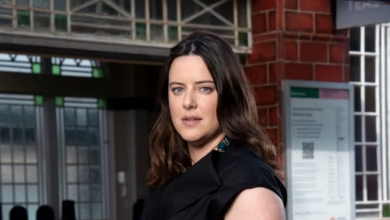
Graham Linehan: A Deep Dive into the Life, Career, and Controversies of a Comedy Writer


Introduction to Graham Linehan
Graham Linehan is one of the most recognizable names in modern British and Irish television comedy. Known for his sharp wit, absurd humor, and distinctive storytelling style, he has shaped some of the most beloved sitcoms of the late 20th and early 21st centuries. His work has entertained millions and influenced a generation of comedy writers.
Linehan rose to prominence through his collaboration with other creative minds, particularly in crafting iconic television shows that remain popular even years after their original release. His ability to blend surreal humor with relatable characters helped him stand out in a competitive industry.
However, his career is not just defined by success. Over the years, Linehan has become a controversial public figure due to his outspoken views on social and political issues. These controversies have sparked intense debates and significantly impacted his professional trajectory.
In this article, we explore Graham Linehan’s life, career milestones, creative style, major works, and the controversies that have shaped his public image.
Early Life and Background
Graham Linehan was born in Dublin, Ireland, in 1968. Growing up in a culturally rich environment, he developed an early interest in storytelling and humor. Irish culture, known for its strong tradition of wit and narrative, played a significant role in shaping his comedic voice.
As a young man, Linehan showed a passion for writing and media. He pursued this interest by working in journalism and publishing before eventually transitioning into television writing. This early experience helped him understand audience engagement and storytelling structure.
Unlike many traditional writers, Graham Linehan did not follow a strictly academic path into television. Instead, he built his career through practical experience, collaborations, and a strong personal voice. This unconventional journey contributed to his unique style.
His early years laid the foundation for a career that would later redefine British sitcoms. The blend of Irish humor and observational comedy became a hallmark of his work.
Breakthrough with Father Ted
One of Linehan’s most significant achievements came with the creation of Father Ted, co-written with Arthur Mathews. The show, which aired in the mid-1990s, quickly became a cult classic.
Set on a fictional island, the series follows three eccentric priests and their chaotic lives. Graham Linehan The humor is absurd, fast-paced, and often satirical, targeting religion, authority, and social norms in a lighthearted yet clever way.
What made Father Ted stand out was its ability to balance surreal humor with strong character development. Each character, from the naive Father Dougal to the frustrated Father Ted, felt both exaggerated and relatable.
The show’s success established Linehan as a major force in comedy writing. It remains one of the most beloved sitcoms in British and Irish television history, with a loyal fanbase that continues to grow.
Expanding Success: Black Books and The IT Crowd
After the success of Father Ted, Graham Linehan continued his winning streak with another hit series, Black Books. Co-created with Dylan Moran, the show centers around a misanthropic bookstore owner and his chaotic daily life.
Black Books showcased Linehan’s ability to create deeply flawed yet lovable characters. The humor leaned heavily into cynicism and absurdity, creating a unique tone that resonated with audiences.
Linehan’s next major success came with The IT Crowd, Graham Linehan a show that brought his work to an even wider audience. Focused on the lives of IT department employees, the series became a global hit.
The IT Crowd is often praised for its clever writing, memorable catchphrases, and iconic episodes. It also demonstrated Linehan’s skill in adapting humor to modern settings, particularly the growing influence of technology in everyday life.
These shows cemented his reputation as one of the leading comedy writers of his generation.
Writing Style and Comedic Influence
Graham Linehan’s writing style is distinctive and instantly recognizable. He often blends absurd situations with grounded characters, creating humor that feels both surreal and relatable.
One of his key strengths lies in dialogue. His scripts are filled with quick, sharp exchanges that keep audiences engaged. This fast-paced style ensures that jokes land effectively without overstaying their welcome.
Linehan also excels at building comedic tension. Graham Linehan He often places characters in increasingly ridiculous situations, allowing humor to escalate naturally. This technique is particularly evident in episodes of The IT Crowd.
His influence extends beyond his own work. Many modern sitcoms have adopted elements of his style, including character-driven humor and tightly structured storytelling.
Collaboration and Creative Partnerships
Collaboration has been a crucial part of Linehan’s success. His partnership with Arthur Mathews was instrumental in creating Father Ted, a show that remains a benchmark for sitcom excellence.
Working with other talented writers and performers allowed Linehan to refine his ideas and bring them to life more effectively. These collaborations often resulted in richer storytelling and more dynamic characters.
In Black Books, his collaboration with Dylan Moran added a unique voice to the show. Moran’s performance complemented Linehan’s writing, creating a perfect blend of character and humor.
These partnerships highlight the importance of teamwork in creative industries. Linehan’s willingness to collaborate contributed significantly to his achievements.
Later Projects and Career Challenges
Despite his earlier successes, Linehan’s later career has been more complicated. Some of his projects did not achieve the same level of acclaim as his earlier work.
Shows like Count Arthur Strong and other ventures received mixed reviews. While they had their moments, they struggled to replicate the widespread popularity of his earlier hits.
This shift highlights the challenges of maintaining consistent success in the entertainment industry. Audience expectations evolve, and even the most talented creators face periods of uncertainty.
Nevertheless, Linehan’s earlier work continues to define his legacy. His influence on television comedy remains undeniable.
Controversies and Public Image
In recent years, Graham Linehan has become a controversial figure due to his outspoken views on social issues, particularly those related to gender identity.
His comments on social media platforms have sparked widespread debate and criticism. Supporters argue that he is expressing his personal beliefs, while critics accuse him of promoting harmful views.
These controversies have had a significant impact on his career. Some professional opportunities have reportedly been affected, and his public image has become increasingly polarizing.
It is important to note that public figures often face scrutiny for their views. In Linehan’s case, this scrutiny has overshadowed his creative achievements for many observers.
Impact on Television Comedy
Despite the controversies, Linehan’s impact on television comedy is substantial. His work has influenced countless writers and shaped the direction of modern sitcoms.
Shows like The IT Crowd introduced a new style of humor that combined traditional sitcom elements with contemporary themes. This approach has been widely adopted in the industry.
Linehan’s ability to create memorable characters and iconic moments has set a high standard for comedy writing. His work continues to be studied and appreciated by aspiring writers.
Even today, reruns of his shows attract new audiences, demonstrating their enduring appeal.
Legacy and Cultural Significance
Graham Linehan’s legacy is complex. On one hand, he is celebrated as a brilliant comedy writer who created some of the most iconic sitcoms of his time. On the other hand, his controversies have complicated his public perception.
His work on Father Ted, Black Books, and The IT Crowd ensures that his contributions to comedy will not be forgotten. These shows have become cultural touchstones, referenced and enjoyed worldwide.
At the same time, his public statements have sparked important conversations about the role of artists in society. These discussions highlight the intersection of creativity, personal beliefs, and public responsibility.
Ultimately, Linehan’s legacy will likely be viewed through both lenses—his creative achievements and his controversial viewpoints.
Conclusion
Graham Linehan is a figure who embodies both the brilliance and complexity of modern creative professionals. His contributions to television comedy have left a lasting mark, influencing both audiences and fellow writers.
From the success of Father Ted to the global popularity of The IT Crowd, his work showcases a unique blend of humor, creativity, and storytelling skill. These achievements alone secure his place in television history.
However, his later controversies serve as a reminder that public figures are often judged not only by their work but also by their words and actions. This duality makes his story both fascinating and thought-provoking.
In the end, Graham Linehan remains a significant, if polarizing, figure in the world of entertainment—one whose work continues to entertain while his public persona continues to spark debate.