Cornell Basketball: Tradition, Talent, and the Pursuit of Ivy League Excellence

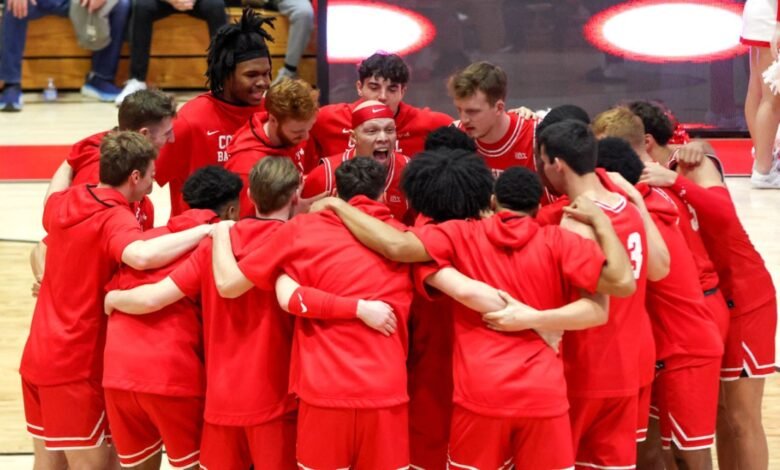
Introduction to Cornell Basketball
When people talk about Ivy League sports, football and rowing often dominate the conversation. But Cornell basketball deserves just as much attention. The program blends academic excellence with competitive ambition, and it has built a proud history that stretches back more than a century. Representing Cornell University in NCAA Division I competition, the team plays with grit, intelligence, and a distinct Ivy League style.
Cornell basketball is not just about wins and losses. It reflects the culture of a university known for intellectual rigor. Players manage demanding academic schedules while competing against some of the nation’s toughest programs. That dual commitment shapes the team’s identity.
Over the decades, Cornell has produced thrilling seasons, tournament appearances, and unforgettable moments. Fans who follow the program know that every year brings a new chapter. Some seasons focus on rebuilding; others focus on chasing championships. But the foundation remains the same—discipline, teamwork, and resilience.
In this deep dive, we will explore Cornell basketball’s history, culture, rivalries, facilities, coaching philosophy, and its future outlook. Whether you are a longtime supporter or a curious newcomer, this comprehensive guide will give you a full picture of what makes Cornell basketball special.
The History of Cornell Basketball
Cornell basketball began competing in the late 19th century, making it one of the older programs in college basketball history. Early teams competed before the modern NCAA structure existed. In those days, the sport itself was still evolving, and Cornell helped shape the collegiate version of the game.
During the early 1900s, Cornell experienced national recognition. In fact, the program claims national championships from the pre-NCAA tournament era. At that time, rankings and national titles were determined differently, but Cornell’s dominance was widely acknowledged by sports historians.
As college basketball expanded nationwide, Cornell adapted to the evolving structure of conferences and tournaments. The formation of the Ivy League in 1954 created a defined competitive landscape. Cornell began competing annually against historic rivals like Harvard University and Princeton University.
The modern era of Cornell basketball truly gained national attention in the late 2000s. The 2009–2010 season stands out as one of the most memorable in program history. That team made a stunning run to the Sweet Sixteen in the NCAA Tournament, putting Cornell back in the national spotlight and proving that Ivy League teams could compete with power conference programs.
Ivy League Identity and Competitive Landscape
Cornell competes in the Ivy League, one of the most academically prestigious athletic conferences in the United States. Unlike many conferences, Ivy League schools do not offer athletic scholarships. This creates a unique competitive environment where student-athletes choose schools primarily for academic reasons.
Because of this structure, Cornell basketball emphasizes player development and long-term growth. Coaches recruit athletes who can excel both in the classroom and on the court. The team focuses heavily on fundamentals, discipline, and strategic play.
The Ivy League regular season is intense. Teams play each other twice, and every game matters. Unlike some conferences with large tournaments, Ivy League standings determine postseason opportunities. That structure increases pressure and raises the stakes for each matchup.
Despite academic demands, Cornell consistently competes for top positions in the league standings. The program embraces the challenge of balancing elite education with elite athletic competition. That balance is a defining feature of Cornell basketball’s identity.
The 2010 NCAA Tournament Run
If you ask any Cornell basketball fan about the program’s proudest moment, many will mention the 2010 NCAA Tournament. That season, Cornell entered the tournament as an Ivy League champion determined to make a statement.
The team defeated higher-seeded opponents with precision shooting and smart defense. Their disciplined ball movement and three-point accuracy shocked analysts. Cornell did not just participate; they competed with confidence.
The Sweet Sixteen appearance was historic. It marked one of the deepest NCAA Tournament runs by an Ivy League team in modern history. The players became campus legends overnight.
Even though the tournament run eventually ended, the impact lasted for years. Recruiting improved. National media began taking Cornell basketball seriously. Most importantly, young athletes saw that success at Cornell could extend beyond the Ivy League.
Coaching Philosophy and Player Development
Cornell basketball thrives on strong coaching leadership. Coaches in the program emphasize fundamentals, high basketball IQ, and team-oriented play. Because Ivy League teams rarely land top-five-star recruits, development becomes crucial.
Practices focus heavily on shooting efficiency, defensive rotations, and situational awareness. Players learn to read the floor, anticipate passes, and maintain composure under pressure. This strategic emphasis often gives Cornell an edge in close games.
The coaching staff also prioritizes character. Leadership, accountability, and resilience are not just buzzwords; they are daily expectations. Players represent the university on and off the court, and coaches reinforce that responsibility.
Over time, this developmental approach has produced players who succeed professionally in various fields—even if they do not continue in the NBA. Cornell basketball prepares athletes for life as much as for sport.
Home Court Advantage: Newman Arena
Cornell plays its home games at Newman Arena in Ithaca, New York. The arena provides an intimate but energetic atmosphere. Fans sit close to the court, creating a lively and intense game-day environment.
Although it may not match the size of major conference arenas, Newman Arena offers a distinct home-court advantage. Visiting teams often underestimate the noise level and enthusiasm of Cornell supporters.
Game days bring students, alumni, and local residents together. The atmosphere reflects school pride and community support. When Cornell faces Ivy rivals, the arena fills with anticipation.
The facility also supports athlete training and development. With modern equipment and training resources, players prepare at a high level while maintaining academic commitments.
Rivalries That Define the Season
Rivalries fuel passion in college basketball, and Cornell has several that ignite excitement each year. Games against Ivy League opponents carry historical significance and emotional intensity.
Matchups with Princeton often highlight contrasting playing styles. Meanwhile, games against Harvard frequently carry conference title implications. These contests are rarely predictable.
Traveling to rival campuses adds another layer of challenge. Ivy League road environments can be loud and hostile. Cornell must rely on discipline and focus to secure victories away from home.
These rivalries help shape team identity. Players understand the importance of tradition, and fans circle these matchups on the calendar long before the season begins.
Recruiting Strategy and Academic Standards
Recruiting for Cornell basketball requires a unique strategy. Coaches cannot simply promise athletic scholarships. Instead, they sell a world-class education and a competitive basketball experience.
Student-athletes must meet high academic standards. This ensures that the team consists of driven and intelligent individuals. The result is a roster full of disciplined, goal-oriented players.
Recruiting often focuses on athletes who value long-term success over immediate exposure. Cornell attracts players who want both professional career opportunities and meaningful basketball competition.
This balanced recruiting approach creates a strong locker room culture. Teammates support each other academically and athletically, reinforcing unity.
Challenges Facing the Program
Cornell basketball operates in a challenging environment. Competing without athletic scholarships can limit recruiting options. Additionally, Ivy League teams rarely receive the same national exposure as power conference programs.
Budget differences also create hurdles. Larger schools often have more extensive resources for travel, facilities, and marketing. Cornell must maximize efficiency and strategic planning to remain competitive.
Another challenge lies in player retention. Talented athletes may transfer in pursuit of scholarship opportunities elsewhere. Maintaining roster continuity requires strong relationships and a positive team culture.
Despite these challenges, Cornell consistently demonstrates resilience. The program embraces its underdog role and often surprises opponents who underestimate its capabilities.
The Future of Cornell Basketball
Looking ahead, Cornell basketball continues to build on its strong foundation. The program aims to compete consistently for Ivy League titles and return to the NCAA Tournament.
Younger players are gaining experience, and recruiting pipelines remain steady. The coaching staff adapts to modern basketball trends, including increased emphasis on perimeter shooting and analytics.
Fan engagement also continues to grow. Alumni networks actively support the team, providing mentorship and networking opportunities for players.
The ultimate goal remains clear: balance academic excellence with athletic achievement. Cornell basketball wants to prove that success in the Ivy League can translate to national recognition.
Conclusion:
Cornell basketball represents more than a sports program. It symbolizes the integration of intellectual ambition and athletic determination. Few programs balance these demands as effectively.
The team’s history shows resilience. From early national recognition to modern tournament runs, Cornell has repeatedly demonstrated its capacity to compete.
For student-athletes, the program offers lifelong benefits. Education, discipline, teamwork, and leadership extend beyond the hardwood.
For fans, Cornell basketball delivers excitement rooted in tradition. Every season writes a new story. Every game carries purpose. And every player represents the values of Cornell University with pride.