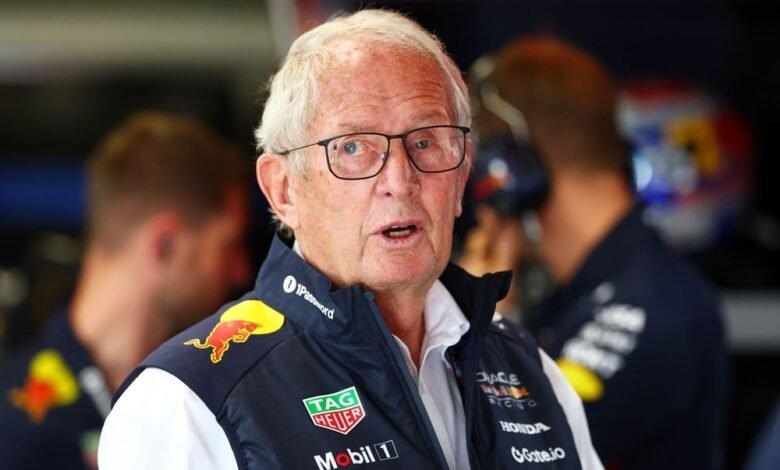
Introduction to Helmut Marko
When people talk about Formula 1 success, they often focus on drivers or team principals. Helmut Marko But behind the scenes, one man has played a critical role in shaping one of the most dominant teams in the sport: Helmut Marko.
Marko is not your typical paddock personality. He is direct, unapologetically honest, and fiercely strategic. Over the years, he has built a reputation as both a talent scout and a decision-maker who is never afraid to make tough calls—even when they stir controversy.
His influence at Red Bull Racing goes far beyond simple advisory duties. From discovering young drivers to shaping the team’s long-term direction, Marko has been instrumental in turning Red Bull into a powerhouse.
In this article, we will explore his journey, leadership style, controversies, and the lasting impact he has had on Formula 1. Whether you admire him or criticize him, one thing is certain—Helmut Marko is impossible to ignore.
Early Life and Racing Career: From Driver to Strategist
Helmut Marko was born in Austria in 1943, and like many motorsport figures, his passion for racing began early. He pursued both academics and racing, which already set him apart from many drivers of his time.
Interestingly, Marko holds a doctorate in law, earning him the nickname “Dr. Marko” in the paddock. This academic background shaped his analytical thinking, which later became a key asset in his management career.
As a driver, Marko competed in endurance racing and Formula 1. His biggest achievement came when he won the legendary 24 Hours of Le Mans in 1971. This victory established him as a serious competitor on the global stage.
Unfortunately, his racing career was cut short after a severe accident during the Formula One season in 1972. A stone hit his visor, causing a permanent eye injury. While this ended his driving days, it marked the beginning of something even bigger—his journey into team management.
The Red Bull Connection: Building a Formula 1 Empire
Helmut Marko’s most significant chapter began when he partnered with Dietrich Mateschitz, the co-founder of Red Bull. Their relationship laid the foundation for one of the most successful projects in modern Formula 1.
Marko became the head of the Red Bull Driver Development Program, a system designed to identify and nurture young racing talent. This program would later become one of the most effective talent pipelines in motorsport.
Under his guidance, Red Bull didn’t just compete—they dominated. The team rose quickly in the late 2000s, securing multiple championships and establishing itself as a top contender year after year.
Marko’s approach was simple but ruthless: invest in youth, demand excellence, and never hesitate to replace underperforming drivers. This philosophy turned Red Bull into a results-driven machine that continues to influence how teams operate today.
Talent Scout Extraordinaire: Discovering Future Champions
If there’s one thing Helmut Marko is universally known for, it’s his ability to spot talent early. His eye for potential has shaped the careers of several world-class drivers.
One of his most famous discoveries is Sebastian Vettel. Marko brought Vettel into the Red Bull system at a young age, and the German driver went on to win four consecutive world championships.
Another major success story is Max Verstappen. Marko recognized Verstappen’s raw speed and aggressive style early on and fast-tracked him into Formula 1. That bold decision paid off, as Verstappen became a multiple world champion.
Marko has also worked with drivers like Daniel Ricciardo and Carlos Sainz Jr., both of whom have achieved significant success in the sport.
However, his program is not without its harsh realities. Many drivers have been dropped quickly if they failed to meet expectations. This “sink or swim” approach has been criticized, but it has undeniably produced results.
Leadership Style: Direct, Demanding, and Controversial
Helmut Marko’s leadership style is not for everyone. He is known for being brutally honest, often making public comments about drivers’ performances that others might keep private.
This directness has created tension within the paddock. Some drivers appreciate his clarity, while others feel the pressure is too intense. Either way, Marko ensures that everyone knows exactly where they stand.
He believes in accountability. If a driver underperforms, Marko does not hesitate to make changes. This has led to frequent driver swaps within the Red Bull system, especially between Red Bull Racing and its sister team.
Critics argue that his approach can be too harsh, potentially damaging young drivers’ confidence. Supporters, however, claim that this high-pressure environment prepares drivers for the extreme demands of Formula 1.
The Red Bull Driver Program: A Ruthless Path to Success
The Red Bull Driver Development Program, overseen by Marko, is one of the most unique systems in motorsport. It provides young drivers with funding, training, and a clear path to Formula 1.
However, the program is also known for its unforgiving nature. Drivers are expected to deliver results quickly, and there is little room for long-term development without performance.
This system has produced stars, but it has also ended many careers prematurely. For every success story like Verstappen, there are several drivers who never made it to the top.
Despite the criticism, the program remains highly effective. It gives Red Bull a constant supply of talent and reduces reliance on external driver markets.
In many ways, Marko has changed how teams think about driver development. His model has inspired other teams to invest more heavily in junior programs.
Controversies and Criticism: A Polarizing Figure
Helmut Marko is no stranger to controversy. His outspoken nature has often led to headlines, sometimes overshadowing his achievements.
He has faced criticism for comments about drivers and teams, which some consider insensitive or overly blunt. These incidents have sparked debates about professionalism and respect within the sport.
Additionally, his handling of driver contracts and team decisions has occasionally been questioned. Some believe that Red Bull’s rapid driver changes create instability.
However, Marko rarely backs down from criticism. He remains firm in his beliefs and continues to operate in the way he feels is best for the team.
Love him or hate him, Marko’s presence adds intensity to Formula 1. He embodies a no-nonsense approach that is increasingly rare in modern sports management.
Relationship with Max Verstappen: A Winning Partnership
The partnership between Helmut Marko and Max Verstappen is one of the most successful in recent Formula 1 history. Marko has been a key figure in Verstappen’s career from the very beginning.
He supported Verstappen during his early years and played a major role in promoting him to Red Bull Racing at a young age. That decision immediately paid off, as Verstappen won his first race with the team.
Over time, their relationship has grown stronger. Marko continues to back Verstappen publicly, even during challenging moments.
This trust has contributed to Verstappen’s confidence and consistency on the track. It also reflects Marko’s belief in giving top performers the support they need to succeed.
Together, they have helped Red Bull maintain its position at the top of the sport.
Impact on Formula 1: Changing the Game
Helmut Marko’s influence extends beyond Red Bull. He has played a significant role in shaping modern Formula 1.
His focus on youth development has encouraged other teams to invest in junior drivers. Today, almost every top team has its own driver academy.
Marko has also demonstrated the importance of long-term planning. His strategic decisions have helped Red Bull stay competitive across different eras.
Furthermore, his willingness to make bold moves has changed how teams approach risk. Whether it’s promoting a young driver or making mid-season changes, Marko has shown that calculated risks can lead to big rewards.
In many ways, he represents a shift toward a more aggressive and performance-driven approach in Formula 1 management.
Legacy: How Helmut Marko Will Be Remembered
When Helmut Marko eventually steps away from Formula 1, his legacy will be undeniable. He has been a central figure in one of the sport’s most successful teams.
He will be remembered as a talent scout who discovered champions, a strategist who built a winning system, and a leader who demanded excellence.
At the same time, his legacy will include controversy and debate. His methods have not always been popular, but they have been effective.
Ultimately, Marko’s impact lies in his results. Championships, race wins, and a constant stream of top drivers are proof of his success.
In a sport where margins are everything, Helmut Marko has consistently found ways to stay ahead.
Conclusion:
Helmut Marko is more than just an advisor—he is a driving force behind Red Bull’s success. His journey from racer to strategist is a testament to adaptability and vision.
He has built a system that prioritizes performance, embraces risk, and rewards talent. While his methods may be controversial, they have delivered undeniable results.
Formula 1 is full of personalities, but few are as influential as Marko. He operates behind the scenes, yet his decisions shape the outcome on the track.
As the sport continues to evolve, one thing remains certain: Helmut Marko’s impact will be felt for years to come.