Introduction to Modern Kitchen
A modern kitchen is more than just a place to cook—it’s the heart of the home. It reflects your lifestyle, your taste, and how you interact with your living space. Today’s modern kitchens combine clean design, smart technology, and practical layouts to create a space that feels both beautiful and efficient.
In this guide, we’ll break down everything you need to know about modern kitchens in a simple, easy-to-read format. Whether you’re planning a renovation or just looking for inspiration, this article will help you understand what makes a kitchen truly modern.
What Defines a Modern Kitchen?
A modern kitchen stands out because of its clean lines, minimal clutter, and focus on functionality. Unlike traditional kitchens, which often feature ornate details and heavy designs, modern kitchens embrace simplicity. Every element has a purpose, and nothing feels excessive or out of place.
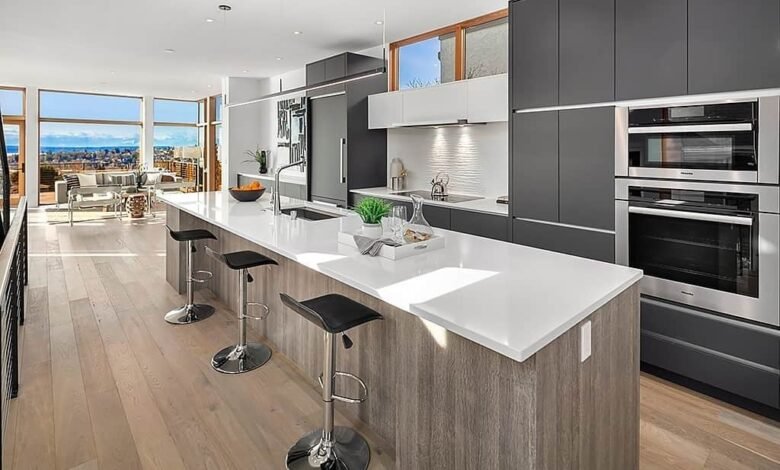
One of the key features of a modern kitchen is its streamlined appearance. Cabinets are often flat-panel, without intricate carvings or decorations. Handles may be hidden or replaced with push-to-open mechanisms, giving the kitchen a seamless look. This simplicity creates a calm and organized environment.
Another defining factor is the use of modern materials. You’ll often see stainless steel, glass, engineered stone, and high-gloss finishes. These materials are not only stylish but also durable and easy to maintain, making them perfect for everyday use.
Finally, modern kitchens prioritize efficiency. The layout, storage, and appliances are all designed to make cooking and cleaning easier. Everything is placed thoughtfully so you can move around the kitchen without unnecessary steps or effort.
Key Elements of Modern Kitchen Design
Modern kitchens are built around a few essential elements that work together to create a cohesive space. Understanding these elements will help you design a kitchen that looks great and functions smoothly.
First, cabinetry plays a major role. Modern kitchen cabinets are usually sleek and handle-less, often in neutral colors like white, gray, or black. Some designs incorporate natural wood tones to add warmth and balance the minimal look.
Second, countertops are a focal point. Materials like quartz, granite, and marble are popular choices. They offer a clean surface while adding a touch of luxury. Many modern kitchens also feature waterfall countertops, where the material extends down the sides for a bold visual effect.
Lighting is another critical component. Instead of relying on a single overhead light, modern kitchens use layered lighting. This includes task lighting under cabinets, ambient lighting for overall brightness, and accent lighting to highlight specific areas.
Lastly, appliances are integrated into the design. Built-in ovens, hidden refrigerators, and sleek cooktops help maintain a uniform look. Smart appliances are also becoming common, allowing you to control your kitchen with your phone or voice.
Modern Kitchen Layouts That Work
The layout of your kitchen determines how comfortable and efficient it will be. Modern kitchens focus on layouts that support movement and functionality while keeping the space open and inviting.
One of the most popular layouts is the open-plan kitchen. This design removes barriers between the kitchen and living areas, creating a larger, more connected space. It’s perfect for families and people who love entertaining guests while cooking.
The L-shaped kitchen is another common choice. It uses two adjacent walls, leaving plenty of open space for movement. This layout works well in both small and large homes, making it a versatile option.
For larger homes, the island kitchen is a favorite. A central island provides extra workspace, storage, and seating. It often becomes the centerpiece of the kitchen, where people gather to eat, talk, and spend time together.
The galley kitchen, with two parallel counters, is ideal for smaller spaces. It maximizes efficiency by keeping everything within reach. Even though it’s compact, it can still look modern with the right design choices.
Choosing the Right Colors and Materials
Color and material choices have a huge impact on the overall feel of a modern kitchen. The goal is to create a balanced, clean, and inviting space.
Neutral colors are the foundation of most modern kitchens. White, gray, and black dominate the palette because they create a timeless and elegant look. These colors also make the kitchen feel brighter and more spacious.
However, modern design doesn’t mean boring. You can add personality with accent colors. For example, a bold backsplash, colorful bar stools, or unique lighting fixtures can bring life to the space without overwhelming it.
When it comes to materials, durability is just as important as style. Quartz countertops are a popular choice because they are resistant to stains and scratches. Stainless steel appliances add a sleek, professional touch.
Natural materials like wood and stone are often used to soften the modern look. They add warmth and texture, making the kitchen feel more comfortable and less sterile.
Smart Storage Solutions for a Clutter-Free Space
Storage is one of the most important aspects of a modern kitchen. A clean, clutter-free environment is essential to achieving the sleek look that defines modern design.
Modern kitchens use smart storage solutions to maximize space. Pull-out drawers, hidden cabinets, and corner storage systems help you use every inch efficiently. These features make it easy to organize your kitchen items.
Vertical storage is another smart approach. Tall cabinets that reach the ceiling provide extra storage while keeping the design seamless. Open shelving can also be used to display decorative items or frequently used dishes.
Another popular feature is the pantry system. Whether it’s a walk-in pantry or a pull-out pantry cabinet, it keeps food items organized and easily accessible. This helps maintain a tidy and functional kitchen.
Finally, integrated storage for appliances and waste bins keeps everything hidden. This not only improves the appearance of the kitchen but also makes cleaning and organization much easier.
The Role of Technology in Modern Kitchens
Technology plays a big role in modern kitchen design. It enhances convenience, efficiency, and even safety, making everyday tasks easier.
Smart appliances are becoming increasingly popular. You can control ovens, refrigerators, and dishwashers through your smartphone. Some refrigerators even have touchscreens and cameras that let you see what’s inside without opening the door.
Touchless faucets are another modern feature. They improve hygiene and make it easier to wash your hands or rinse dishes when your hands are full. This small upgrade can make a big difference in daily use.
Lighting technology has also evolved. LED lights are energy-efficient and long-lasting. Many modern kitchens use smart lighting systems that allow you to adjust brightness and color temperature based on your needs.
Voice assistants are now part of many kitchens. You can set timers, play music, or look up recipes without touching anything. This makes cooking more enjoyable and efficient.
Modern Kitchen Trends to Consider
Modern kitchens continue to evolve, with new trends emerging every year. Staying updated with these trends can help you create a kitchen that feels current and stylish.
One popular trend is the use of mixed materials. Combining wood, metal, and stone creates depth and visual interest. This approach prevents the kitchen from looking too uniform or plain.
Another trend is the use of bold backsplashes. Instead of simple tiles, homeowners are choosing patterned or textured designs that act as a focal point. This adds character without overwhelming the space.
Sustainability is also becoming a key focus. Eco-friendly materials, energy-efficient appliances, and water-saving fixtures are now common in modern kitchens. These choices not only help the environment but also reduce long-term costs.
Minimalism remains a strong trend, but with a warmer touch. Instead of cold, all-white spaces, modern kitchens now incorporate softer colors and natural elements to create a more inviting atmosphere.
Tips for Designing Your Own Modern Kitchen
Designing a modern kitchen doesn’t have to be complicated. With the right approach, you can create a space that looks professional and works perfectly for your needs.
Start by planning your layout carefully. Think about how you use your kitchen and arrange everything to support your workflow. The classic “kitchen triangle” (sink, stove, refrigerator) is still a useful guideline.
Choose quality materials that will last. While it may be tempting to cut costs, investing in durable countertops, cabinets, and appliances will save you money in the long run.
Keep the design simple and avoid clutter. Focus on essential items and use smart storage solutions to keep everything organized. A clean space always looks more modern and appealing.
Finally, add personal touches. While modern kitchens are minimal, they shouldn’t feel empty. A few carefully chosen decorations, plants, or unique fixtures can make the space feel like your own.
Conclusion
A modern kitchen is the perfect blend of style, functionality, and innovation. It’s designed to make your life easier while creating a space that looks clean and inviting. From sleek cabinets to smart technology, every detail plays a role in shaping the overall experience.
By understanding the key elements, layouts, and trends, you can design a kitchen that meets your needs and reflects your personal style. Whether you’re working with a small space or a large open area, modern design principles can help you create a kitchen that truly stands out.
In the end, the best modern kitchen is one that works for you. Focus on simplicity, efficiency, and quality, and you’ll have a space that you’ll enjoy for years to come.