Introduction to10x10 Game
The 10×10 game has quietly become one of the most addictive and mentally engaging puzzle games available today. At first glance, it looks simple—a grid, some blocks, and a goal to fill rows and columns. But once you start playing, you quickly realize there’s a deeper layer of strategy that keeps you hooked.
In this guide, we’ll explore everything you need to know about the 10×10 game—from how it works to advanced strategies that can dramatically improve your performance. Whether you’re a beginner or someone trying to beat your high score, this article will give you a clear edge.
What Is the 10×10 Game?
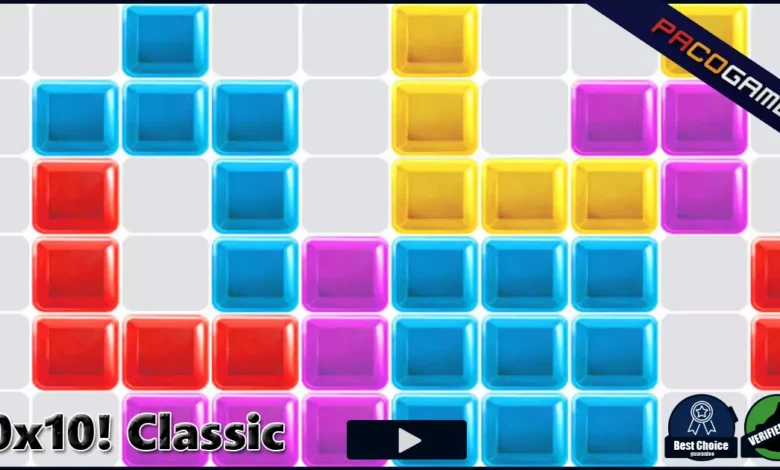
The 10×10 game is a block puzzle game played on a 10-by-10 grid. Players place different-shaped blocks onto the grid with the goal of completing full rows or columns. Once a row or column is filled, it disappears, freeing up space for more blocks.
Unlike fast-paced games, the 10×10 game does not have a time limit. You can take your time to think through each move. This makes it relaxing yet highly strategic. Every decision matters because once you run out of space, the game ends.
The game typically presents three block shapes at a time. After placing all three, a new set appears. The challenge is to place them in a way that maximizes space and clears lines efficiently.
What makes the game unique is its balance between simplicity and depth. Anyone can start playing instantly, but mastering it requires careful planning, foresight, and pattern recognition.
Why the 10×10 Game Is So Popular
One reason for the game’s popularity is its accessibility. You don’t need special skills or prior gaming experience to get started. The rules are straightforward, and the interface is usually clean and user-friendly.
Another reason is the game’s relaxing nature. Since there is no timer, players can enjoy a stress-free experience. This makes it perfect for short breaks, long commutes, or winding down after a busy day.
At the same time, the game stimulates the brain. It encourages logical thinking, spatial awareness, and problem-solving. Many players find it both entertaining and mentally refreshing.
The addictive element also plays a big role. You always feel like you can do better on the next attempt. That “just one more game” feeling keeps players coming back again and again.
Basic Rules and Gameplay Mechanics
The core mechanics of the 10×10 game are simple but powerful. You start with an empty 10×10 grid. The game provides three random block shapes at a time.
Your job is to place these blocks on the grid. You cannot rotate the blocks in most versions, which adds an extra layer of difficulty. Each block must fit exactly into the available space.
When you fill an entire row or column, it clears automatically. This creates more room and increases your score. Clearing multiple lines at once often gives bonus points.
The game continues until you can no longer place one of the available blocks. That’s when the game ends, and your final score is calculated based on your performance.
Key Strategies to Improve Your Game
If you want to score higher and play longer, you need more than just luck. Smart strategies make a huge difference in the 10×10 game.
First, always plan ahead. Don’t just place blocks randomly. Look at all three shapes and think about how they will fit together before making a move.
Second, try to keep the center of the grid open. This area offers the most flexibility for placing larger blocks. Filling it too early can limit your options later.
Third, avoid creating isolated spaces. Small gaps that don’t fit common block shapes can become useless quickly. These “dead zones” often lead to game over situations.
Finally, aim to clear multiple lines at once. This not only boosts your score but also frees up more space compared to clearing single lines repeatedly.
Advanced Tips for High Scores
Once you understand the basics, you can start applying advanced techniques to push your score even higher.
One effective strategy is to think in patterns. Over time, you’ll recognize common block shapes and how they fit together. This allows you to make faster and smarter decisions.
Another tip is to delay placing large blocks until necessary. Large shapes are harder to fit, so it’s better to keep space available for them instead of forcing them into tight spots.
You should also prioritize flexibility over immediate gains. Sometimes, it’s better to avoid clearing a line if it helps maintain a more open and adaptable grid.
Lastly, stay patient. Rushing your decisions often leads to mistakes. The game rewards careful thinking and long-term planning.
Common Mistakes to Avoid
Even experienced players make mistakes that can end their game prematurely. Recognizing these errors can help you avoid them.
One common mistake is focusing only on clearing lines. While clearing is important, over-prioritizing it can lead to poor block placement and limited space.
Another mistake is ignoring upcoming blocks. Many players place the current block without considering the remaining ones. This often results in awkward layouts.
Filling corners too early is also risky. Corners can become traps if you don’t use them wisely. It’s better to keep them flexible for as long as possible.
Finally, underestimating small gaps can be dangerous. These spaces may seem harmless at first, but they quickly become unusable and reduce your options.
Benefits of Playing the 10×10 Game
The 10×10 game is more than just entertainment. It offers several cognitive benefits that make it a valuable activity.
It improves problem-solving skills by forcing you to think critically about each move. Every placement requires analysis and planning.
The game also enhances spatial awareness. You learn to visualize how shapes fit together, which can be useful in real-life situations.
Additionally, it helps with focus and concentration. Since there’s no timer, you can fully immerse yourself in the game and sharpen your attention span.
Finally, it provides stress relief. The simple mechanics and calming pace make it a great way to relax and unwind.
Variations of the 10×10 Game
Over time, developers have introduced different versions of the 10×10 game to keep things fresh and exciting.
Some versions include power-ups that help clear blocks or create space. These add a new layer of strategy and make the game more dynamic.
Others introduce daily challenges or missions. These give players specific goals and rewards, adding motivation to keep playing.
There are also themed versions with unique visuals and sound effects. While the core gameplay remains the same, these variations enhance the overall experience.
Despite these differences, the fundamental concept stays consistent—place blocks, clear lines, and survive as long as possible.
How to Stay Consistent and Improve Over Time
Improving at the 10×10 game takes practice and consistency. The more you play, the better you understand patterns and strategies.
Start by analyzing your mistakes. After each game, think about what went wrong and how you could have handled it differently.
Set small goals for yourself. Instead of aiming for a huge score immediately, focus on gradual improvement.
You can also watch other players or study gameplay videos. Seeing different approaches can give you new ideas and techniques.
Most importantly, enjoy the process. The game is meant to be fun, so don’t get discouraged by setbacks.
Conclusion:
The 10×10 game proves that simple ideas can create incredibly engaging experiences. Its easy-to-learn mechanics combined with deep strategic possibilities make it a timeless puzzle game.
Whether you play casually or aim for high scores, the game offers something for everyone. It challenges your mind, improves your skills, and provides endless entertainment.
By applying the strategies and tips in this guide, you can take your gameplay to the next level. Stay patient, think ahead, and keep practicing.
In the end, the real beauty of the 10×10 game lies in its balance—simple enough to start instantly, yet complex enough to keep you coming back for more.